
HC\ HuFX
HC\ HuFX
Human-centric
Human-centric
HC\ HuFX
Human-centric
SCROLL DOWN
100
100
150
150
200
200
300
300
400
400
500
500
600
600
650
650
700
700
750
750
800
800
850
850
900
900
11:11
11:11

The power of human complexity.
The power of human complexity.
Enhanced Empathy for Humanity.
The power of
human complexity .
Enhanced Empathy for Humanity.
The power of
human complexity .


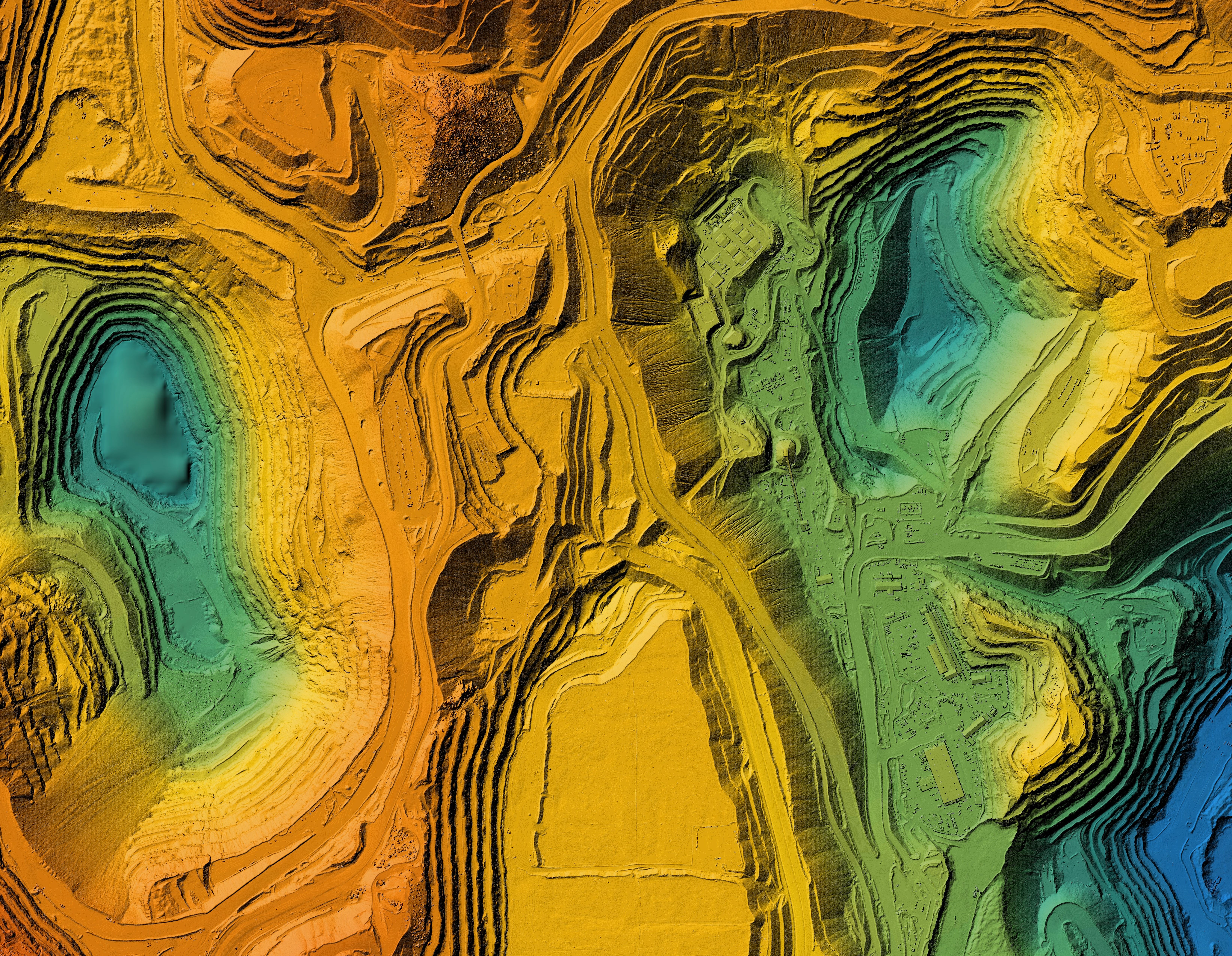
LI | A\X

Location Intelligence-A\X
Laser Geo-coded Coordinates
[ 3D LiDAR-Based Tokens ]
[ 29.97230 31.12530 0.00 1200 ]
[ 29.97231 31.12530 0.02 1180 ]
[ 29.97230 31.12531 0.01 1225 ]
[ 29.97229 31.12530 0.01 1190 ]
[ 29.97230 31.12529 0.00 1215 ]












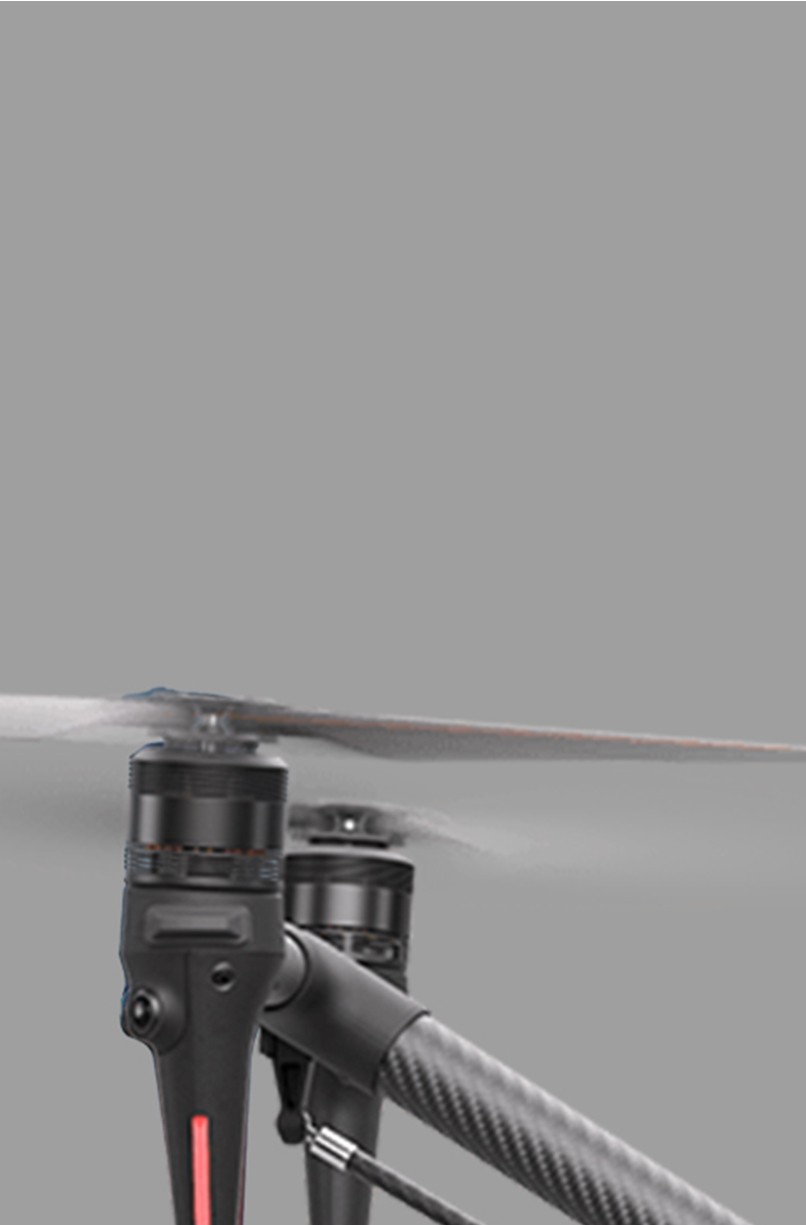




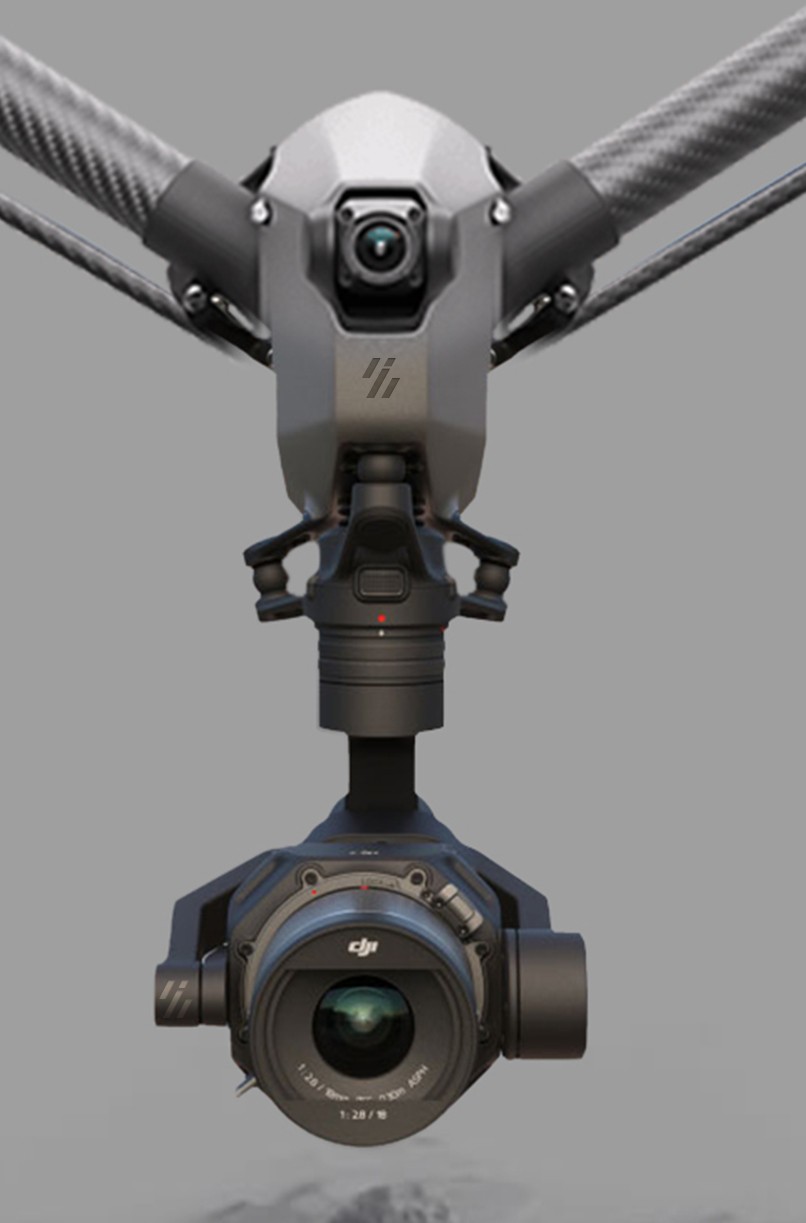


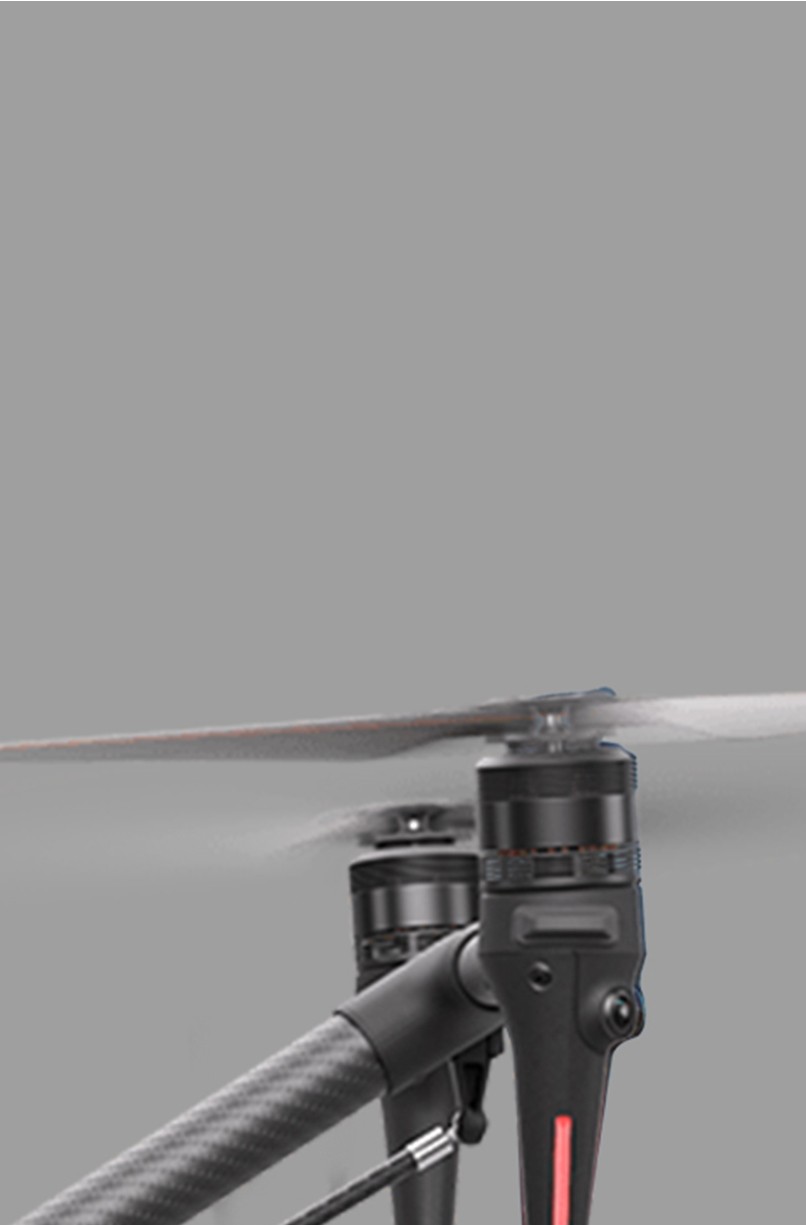













LI | A\X
Location Intelligence-A\X
Laser Geo-coded Coordinates
[ 3D LiDAR-Based Tokens ]
[ 29.97230 31.12530 0.00 1200 ]
[ 29.97231 31.12530 0.02 1180 ]
[ 29.97230 31.12531 0.01 1225 ]
[ 29.97229 31.12530 0.01 1190 ]
[ 29.97230 31.12529 0.00 1215 ]
\nteractions integrates theories and practices from diverse fields.
Including software engineering, education, psychology, the arts, anthropology, ergonomics, A\, quantum computing, architecture, blockchain, and even economics all together, to bring ultimate interface approach in UXU\ A\X.
LI | A\X
Location Intelligence-A\X
Laser Geo-coded Coordinates
[ 3D LiDAR-Based Tokens ]
[ 29.97230 31.12530 0.00 1200 ]
[ 29.97231 31.12530 0.02 1180 ]
[ 29.97230 31.12531 0.01 1225 ]
[ 29.97229 31.12530 0.01 1190 ]
[ 29.97230 31.12529 0.00 1215 ]





A
Human-computer \nteractions
Human-computer \nteractions
Human-computer \nteractions
Human-computer \nteractions
Human-computer \nteractions
Human-computer \nteractions
HC\s complexities are deeply intertwined within UXU\ A\X design:
[ Computational Factors ] + [ Human Factors ] = Everyday Interactions
HCIs complexities are deeply intertwined with
UX/UI design, and interaction design:
[Computational Factors] +
[ Human Factors ] =
Everyday Interactions
In one hand — and in UXU\ A\X design, everyday interactions refer to the common, often subconscious aspects of a user's daily life that significantly impact their interaction with a product, including things like their current environment, distractions, multitasking habits, familiarity with technology, and the mental state they
are in when using digital products.
In one hand–and in UX/UI design, everyday interactions refer to the common, often subconscious aspects of a user's daily life that significantly impact their interaction with a product, including things like their current environment, distractions, multitasking habits, familiarity with technology, and the mental state they are in when using digital products.

Human Computer Interactions | HC\
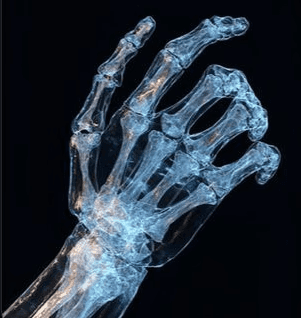
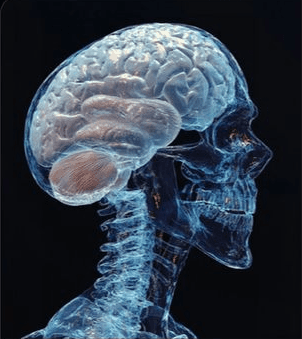
New research suggests the brain uses quantum computation linked to short-term memory, conscious awareness, and decision-making when interacting with tools.
So yes — a bike is a tool, just like a pencil, a phone, or even a complex automotive machine.


Human Computer Interactions | HC\
New research suggests the brain uses quantum computation linked to short-term memory, conscious awareness, and decision-making when interacting with tools.
So yes — a bike is a tool, just like a pencil.
0—2
In the other hand, overlapping HC\ and
UXU\ A\X design happens many times under my responsibility.
Although, UX design is a fast-pace industry-driven. HC\ is deeply research-focused in the user journey to understand the way people use or interact with digital products every day.
HC\ — 2K26
HC\ — 2K26
HC\ — 2K26
— Let’s dive into the universe of Human Computer Interactions categories. From essential technologies to state-of-the-art innovative surfaces, where every interface matters to create clear and intentional human interactions at product design level.
HC\
HC\
HuFX
01
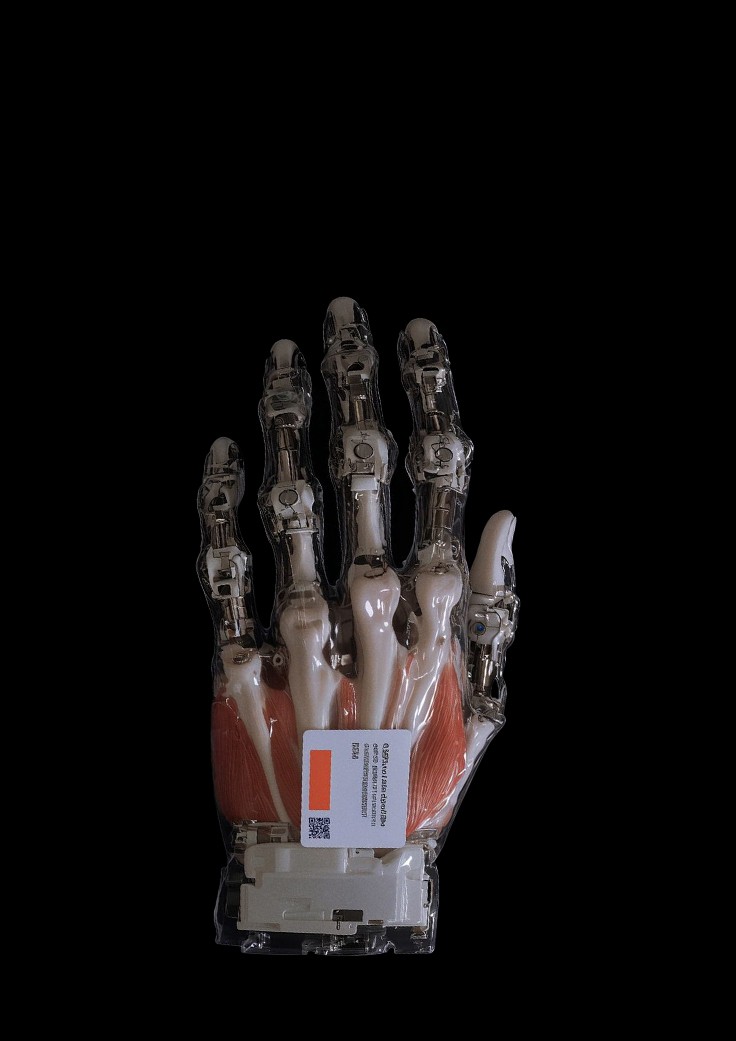
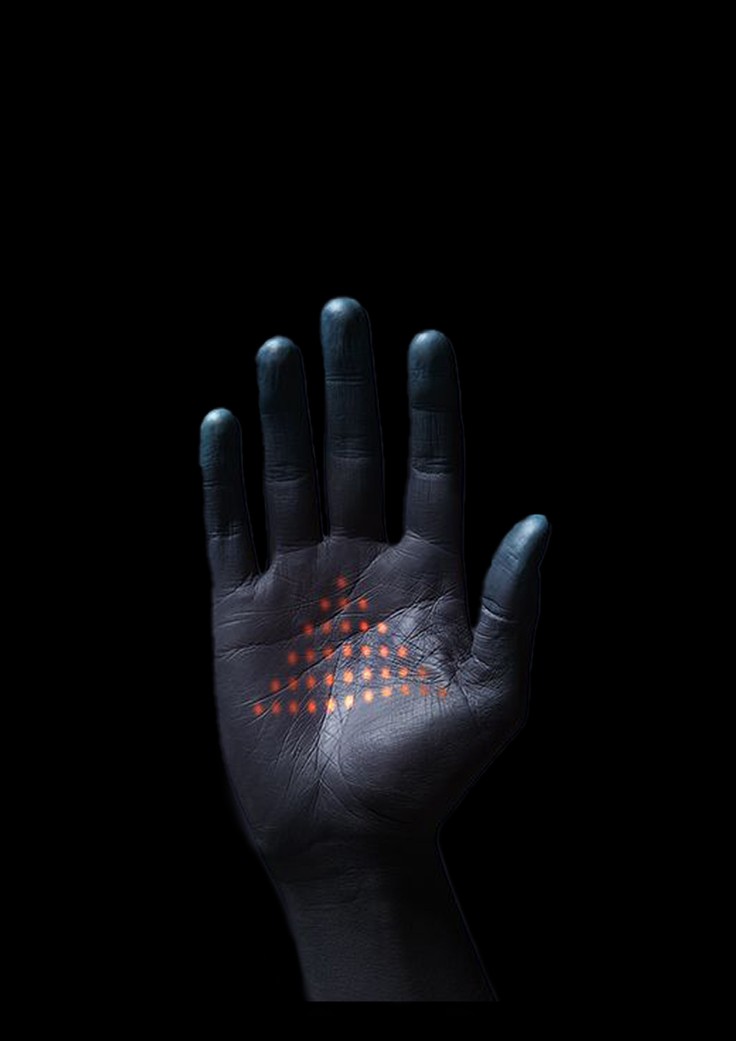
Human Factors [FX] — HuFX is to decode human intelligence itself: diversity, limitations, behaviors, and environments.
2K26
User & market research
¶ — 1
¶ — 1
The lens through which I do humanize technology, transforming it from a cold tool to a thoughtful, intuitive, logical, and responsive partner in daily life multi-dimensionally with Philosophy, Physiology, Psychology, Anthropology, Anthropometrics, Sociology, Ecology, and Economic Intelligence.
Defining the challenge
¶ — 2
¶ — 2
While Philosophy, envelops each of these factors to provide the why behind the what, how, and who do the interactions, the Economic Intelligence defines who can access technology, how often, on what device, with what constraints, and under what financial pressure.



HC\
HC\
\O
02
Concept refinement
¶ — 1
¶ — 1
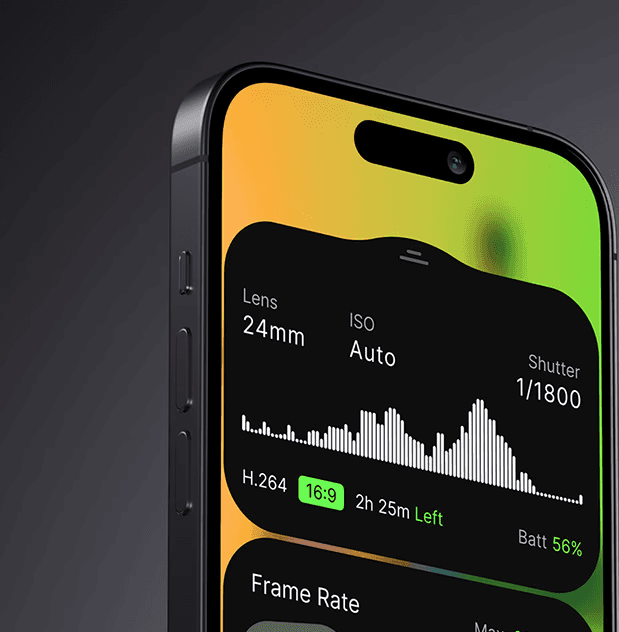
Human input [e.g., touch, speech] and system output [e.g., visuals, haptics].
Direction alignment
¶ — 2
¶ — 2
It aims to engineer responsive, multimodal UIs that align w/ cognitive and sensory models.



HC\
HC\
ICT
03
Collaboration with developers
¶ — 1
¶ — 1
How Information and Communication Technologies [ICT] are used, developed, and impact society, often involving existing operating systems
¶ — 2
¶ — 2
and new frameworks like cloud computing, mobile tech and GenA\ Large Language/Multimodal Models [LLM/LMMs.]

HC\
HC\
R&D
04
Collaboration with developers
¶ — 1
¶ — 1
The role of UXU\ in HC\ is to translate overwhelming technical depth into functional,
Iterative testing & QA
¶ — 2
¶ — 2
intuitive, and even life-preserving research and design interactions.
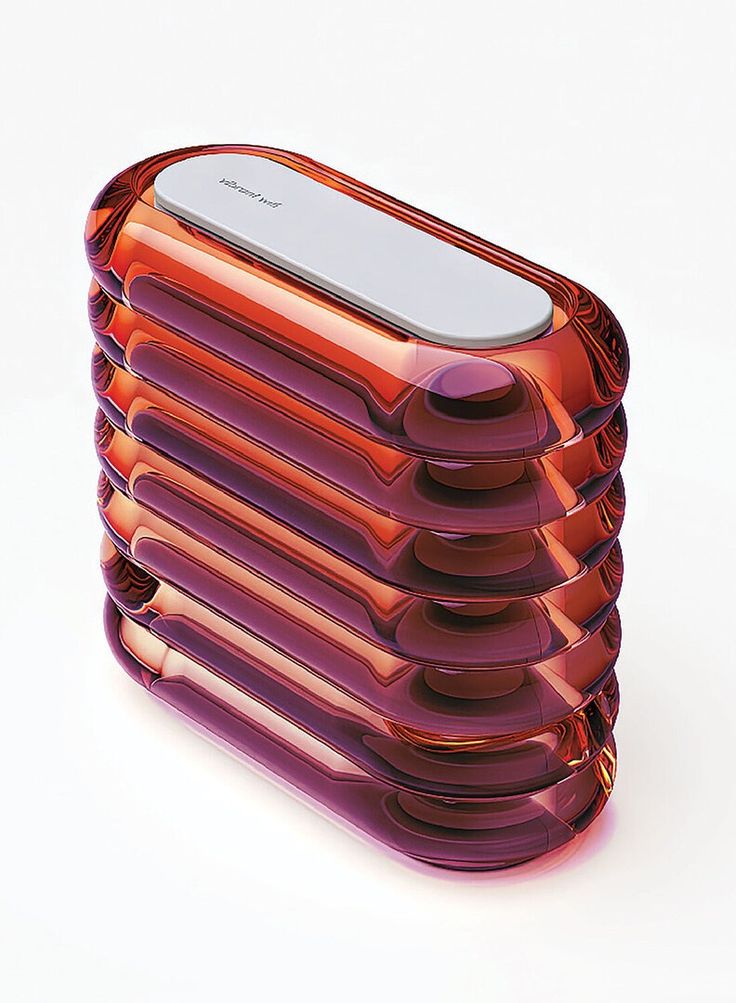
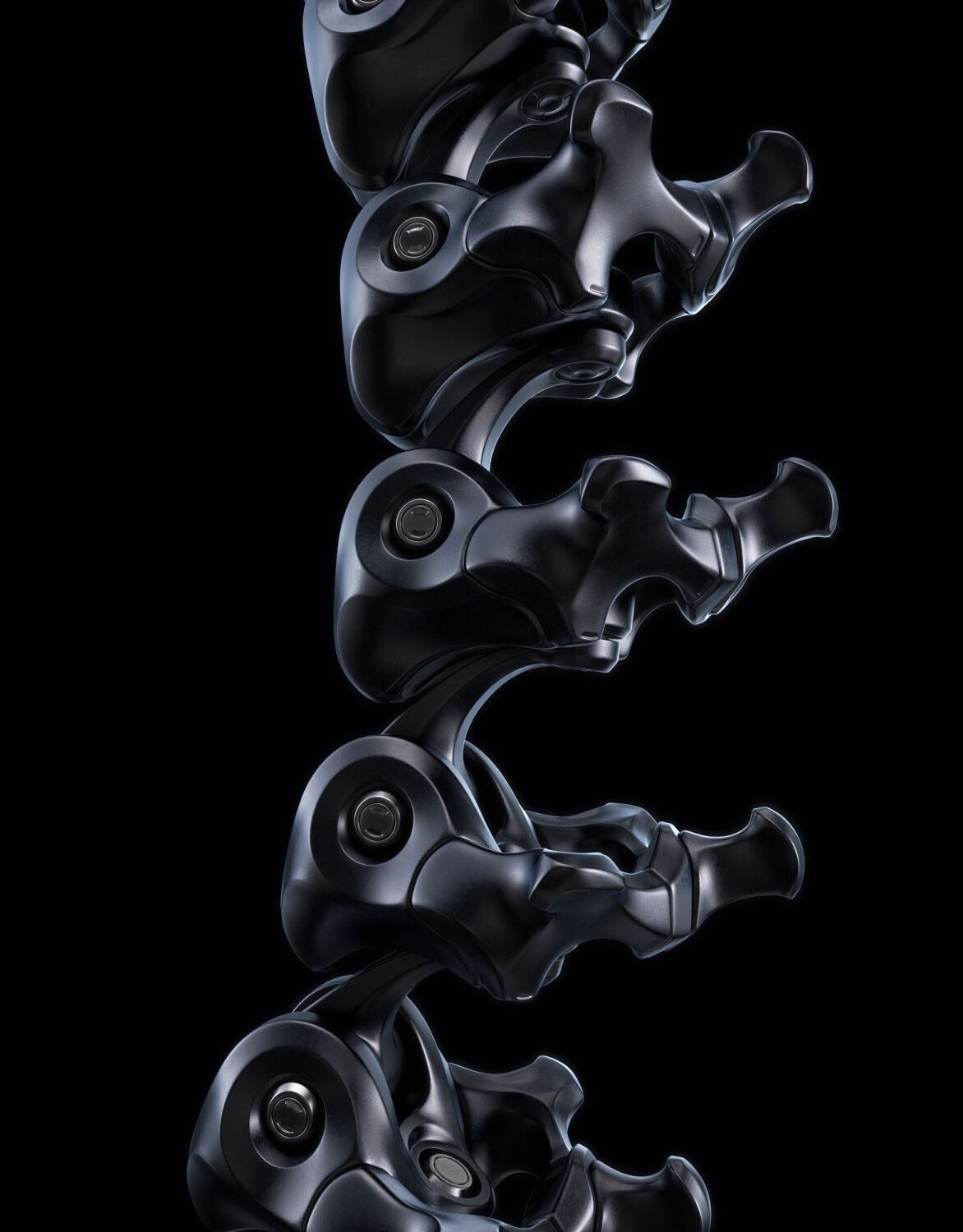


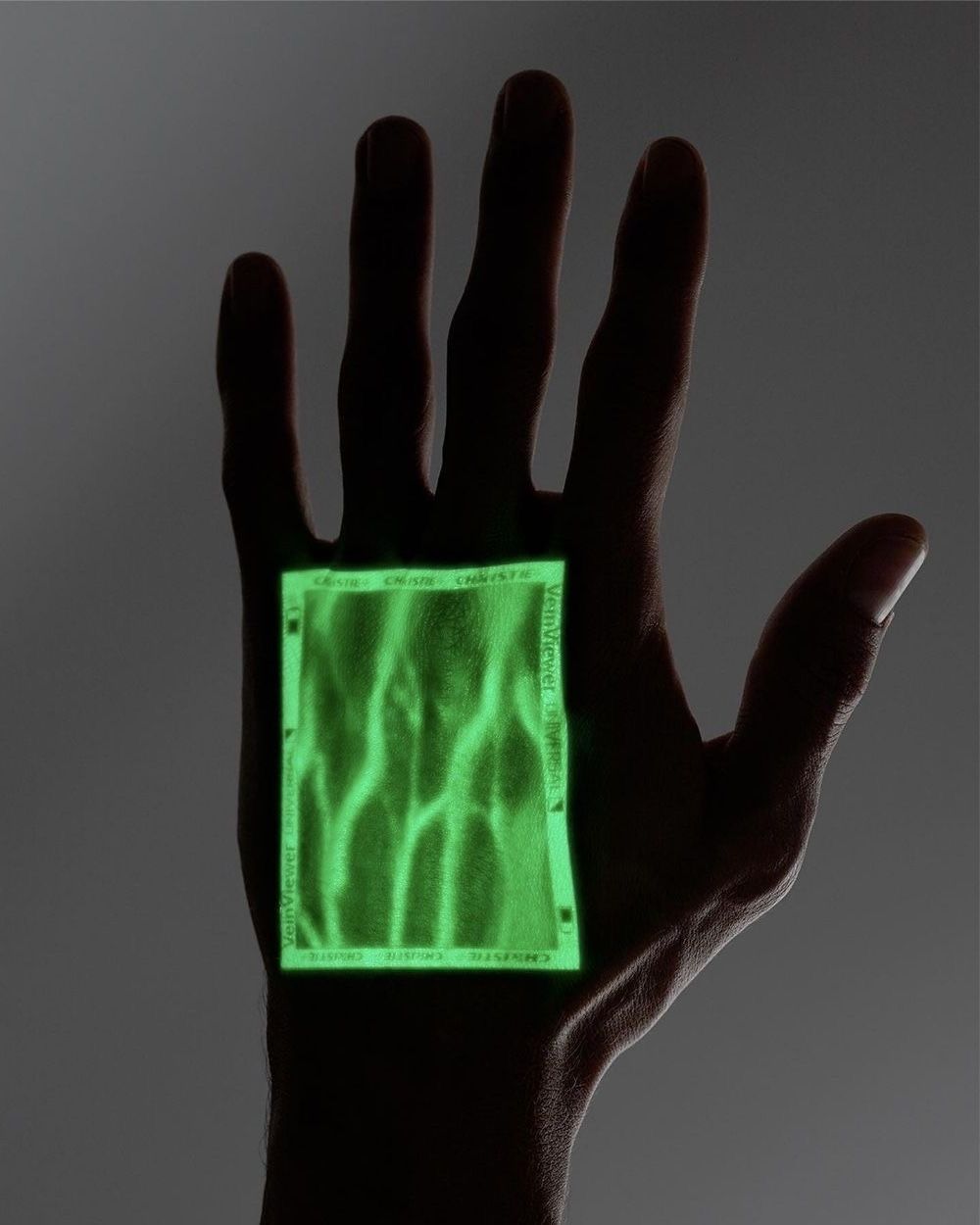
HC\
HC\
Technologies
05
Collaboration with developers
¶ — 1
¶ — 1
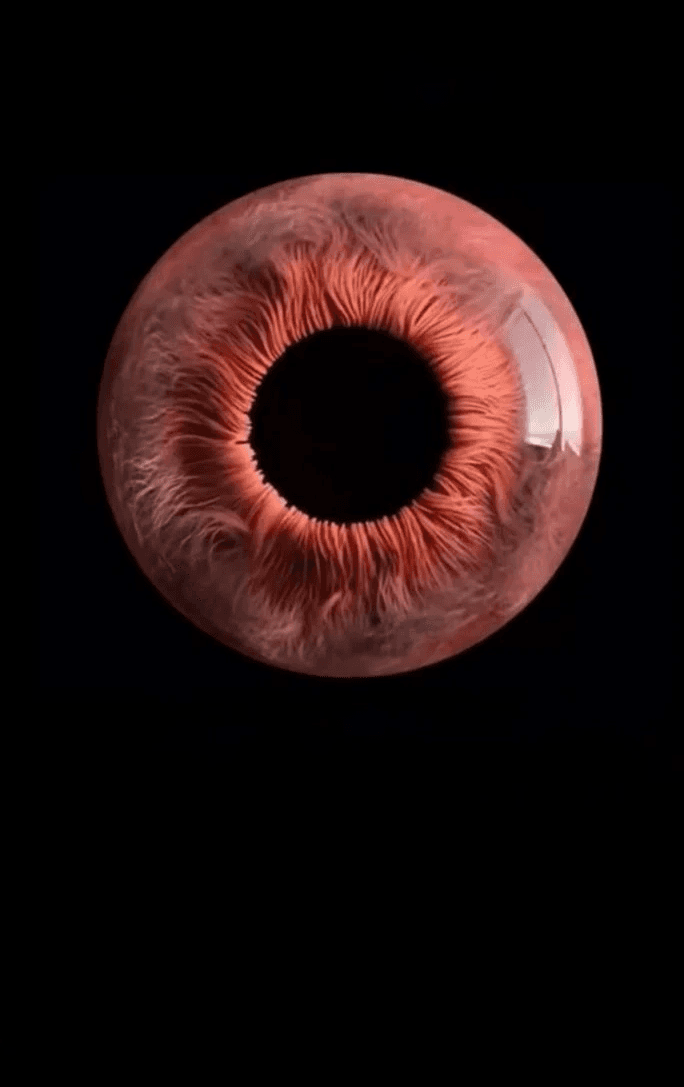
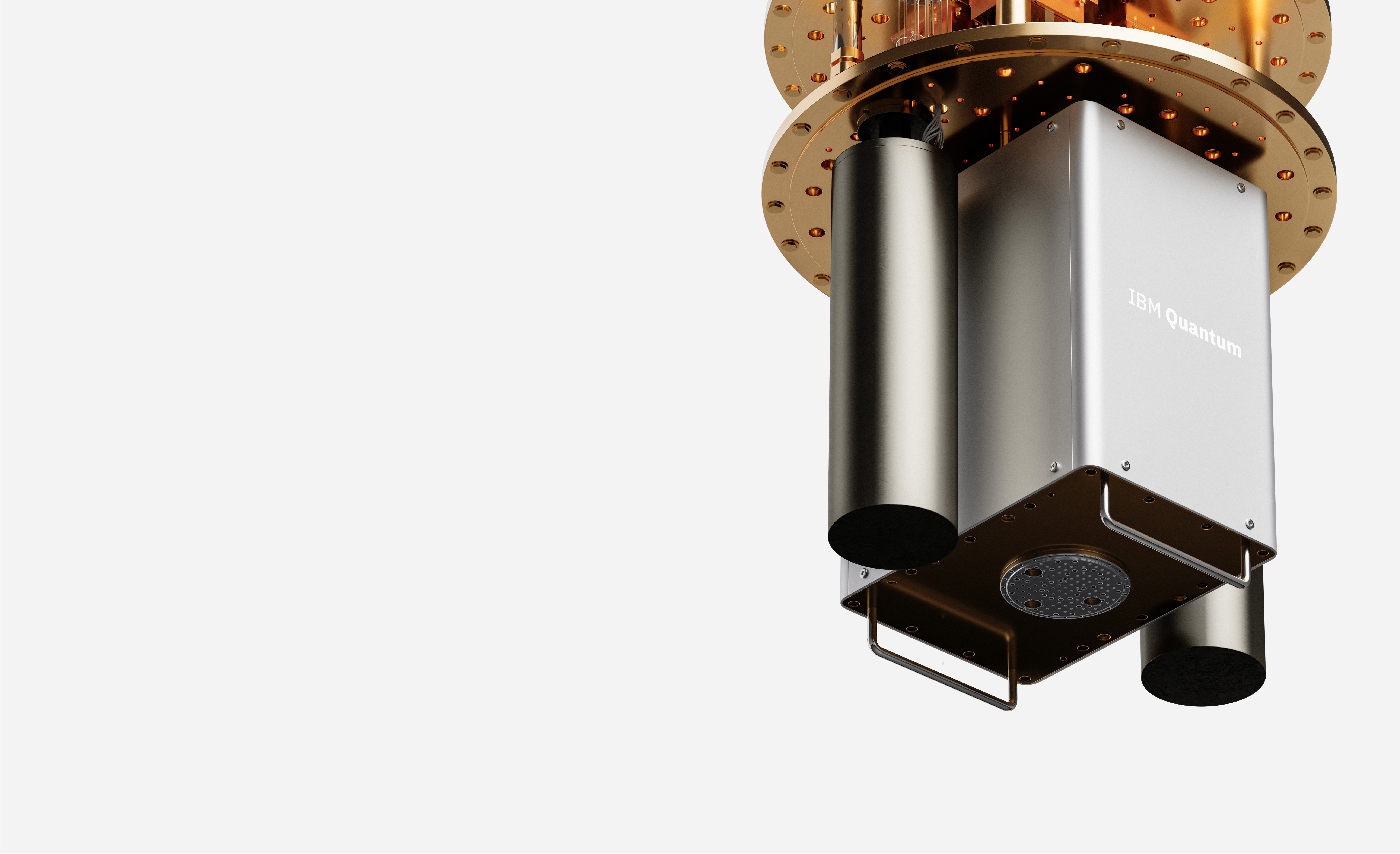
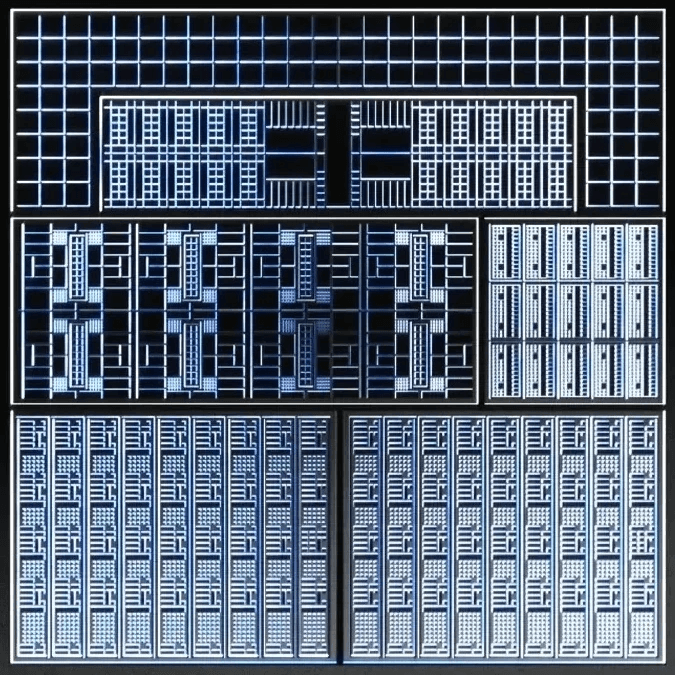
Focuses on designing, implementing, and evaluating interactive interfaces
¶ — 2
¶ — 2
that enhance user experiences by using computing devices.

HC\
HC\
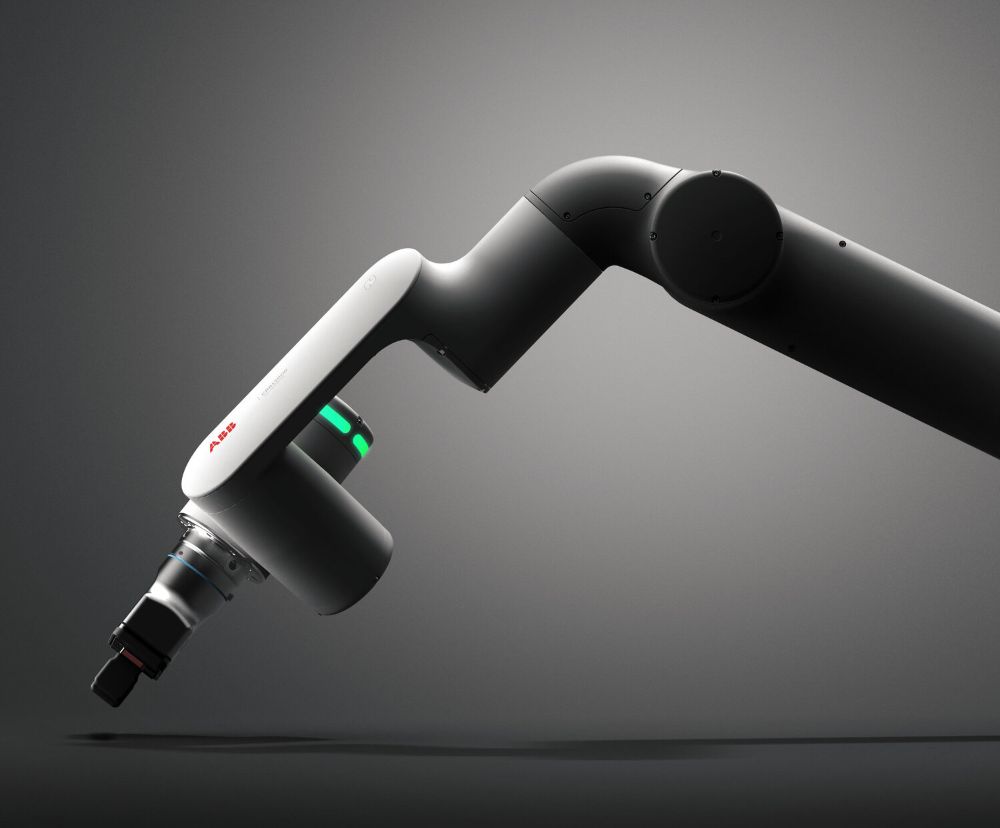
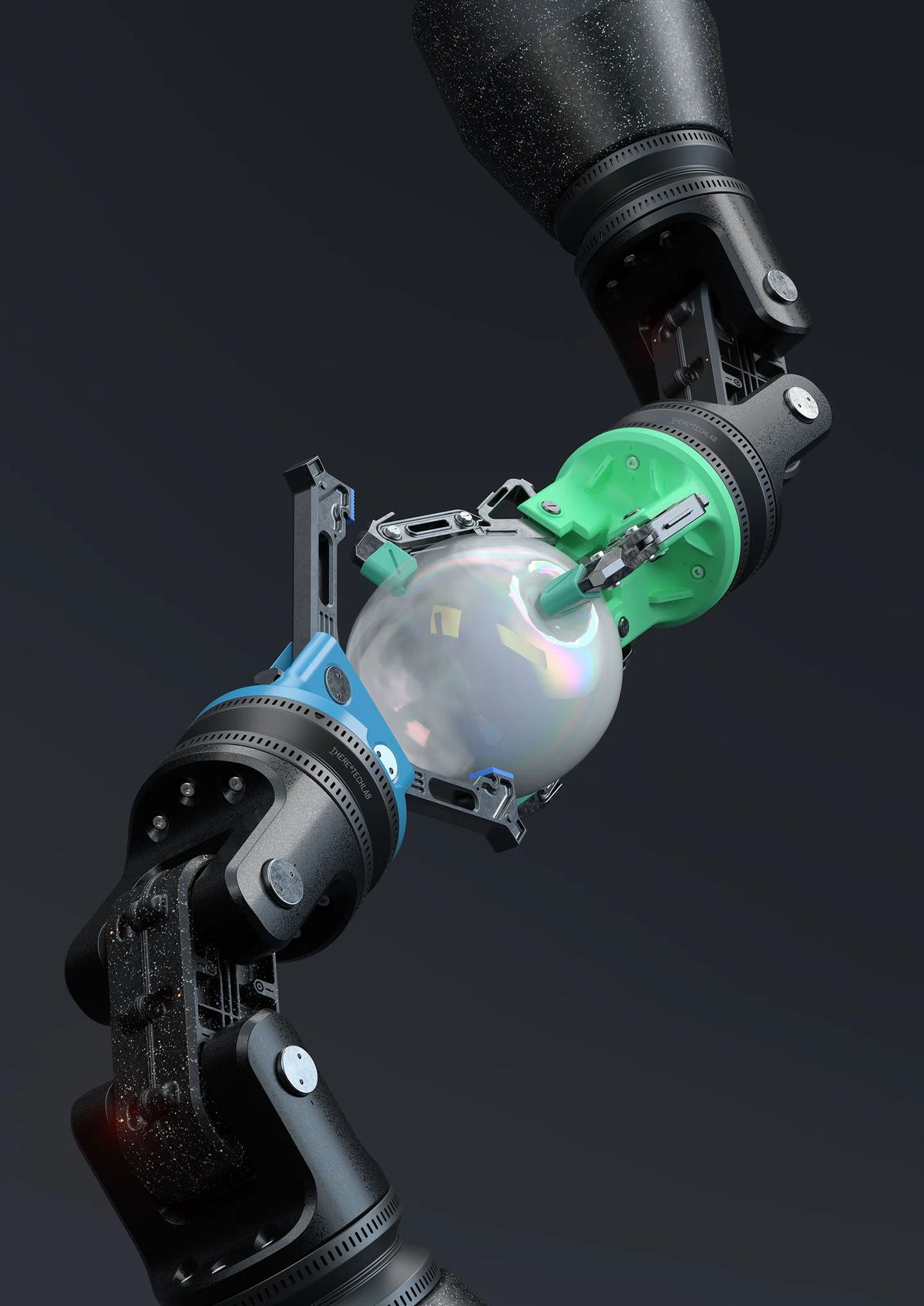
nanoTECH
06
Collaboration with developers
¶ — 1
¶ — 1
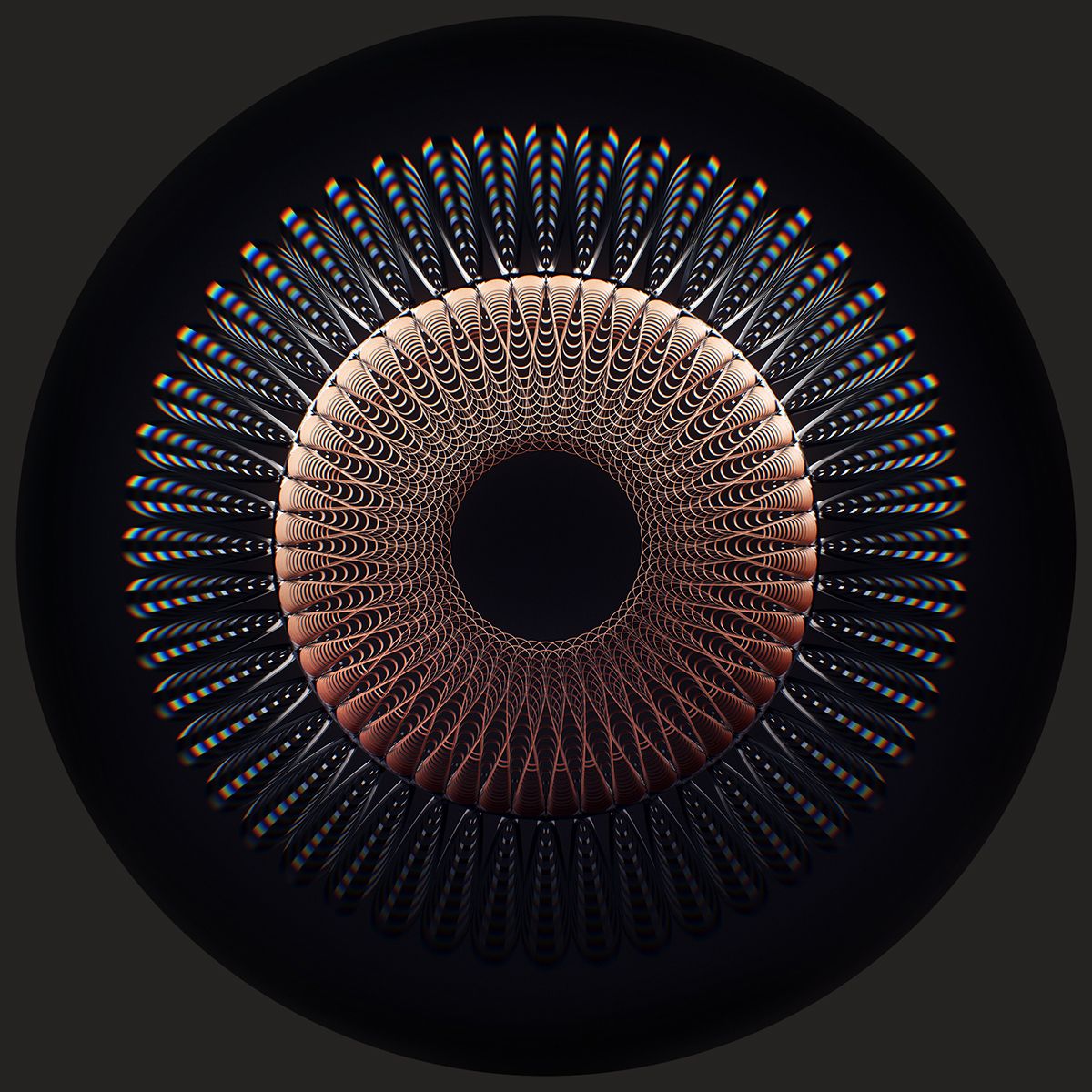
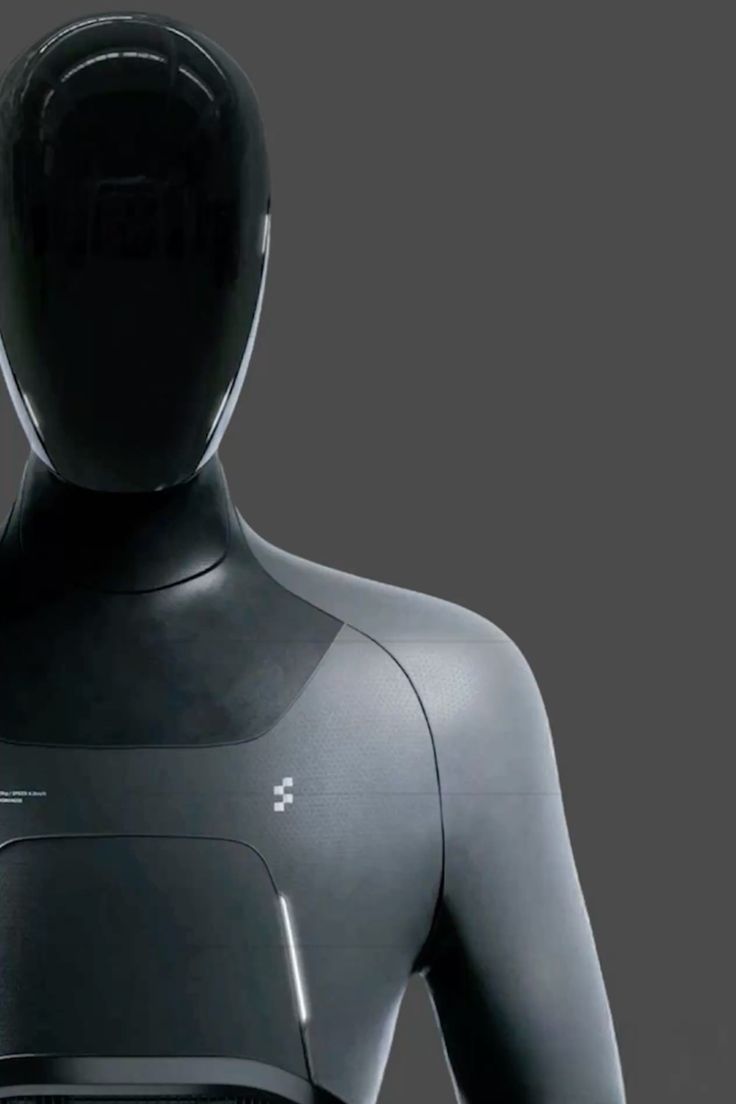
The science of manipulating matter at the atomic and molecular level [1-100 nanometers] to create new materials and devices with unique properties, enabling
Iterative testing & QA
¶ — 2
¶ — 2
applications from stronger electronics and better solar cells to targeted cancer drugs and advanced sensors, impacting health, energy, computing, robotics and more.

HC\
HC\
GenA\
07
A\ is not the experience. A\ is the intelligence that makes the experience alive — regardles the implemented GenA\ 3.0. Model.
2K26
Collaboration with developers
¶ — 1
¶ — 1
Today, A\ Interfaces disappear. We are no longer building static UX. In this way, A\ is not human but A\ observes human behavior and context in real time, then it adapts the experience surpasing the human brain speed itself.
Iterative testing & QA
¶ — 2
¶ — 2
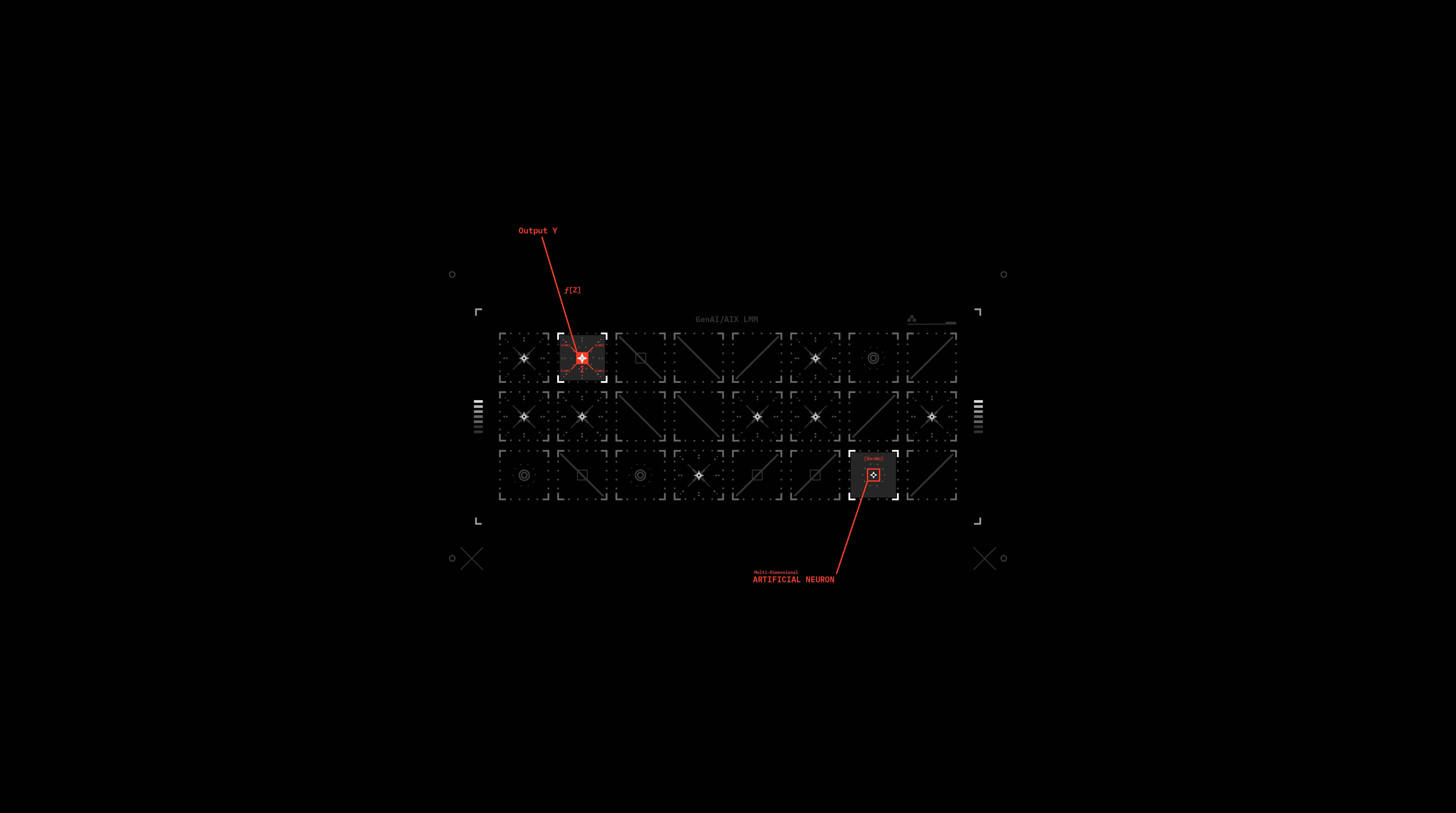
A\ 3.0 is the adaptive system that observes, learns, predicts, and optimizes each human factor [HuFX] with their own corpus of highly super-trained data within the multi-dimensional GenA\ Large Multimodal Model [LMM] frameworks.

HC\
HC\
A\ Factors
08
Think of A\ Factors [FX] as the neural network of the Human Factors [HuFX] demanding UXU\ approach.
2K26
Collaboration with developers
¶ — 1
¶ — 1
While HC\ grounds the interaction in human-centered logic, UXU\ refines it through layout,
¶ — 2
¶ — 2
visuals, design elements/laws, user patterns and, atomic design libraries.

HC\
HC\
Atomic Design
09
How users perceive, interact with, and navigate while implementing Atomic Design Systems with scalable libraries.
2K26
Collaboration with developers
¶ — 1
¶ — 1
While HC\ grounds the interaction in human-centered logic, UXU\ refines it through layout, visuals, design elements/laws, user patterns and, even more importantly, with the design of Atomic Design Libraries for reusable & scalable components.
Iterative testing & QA
¶ — 2
¶ — 2
While accelating a more agile approach to the current on-demand solutions for product design world-wide while solving the documentation process and practical team challenges all at once.


HC\
HC\
Industry 3.0
10
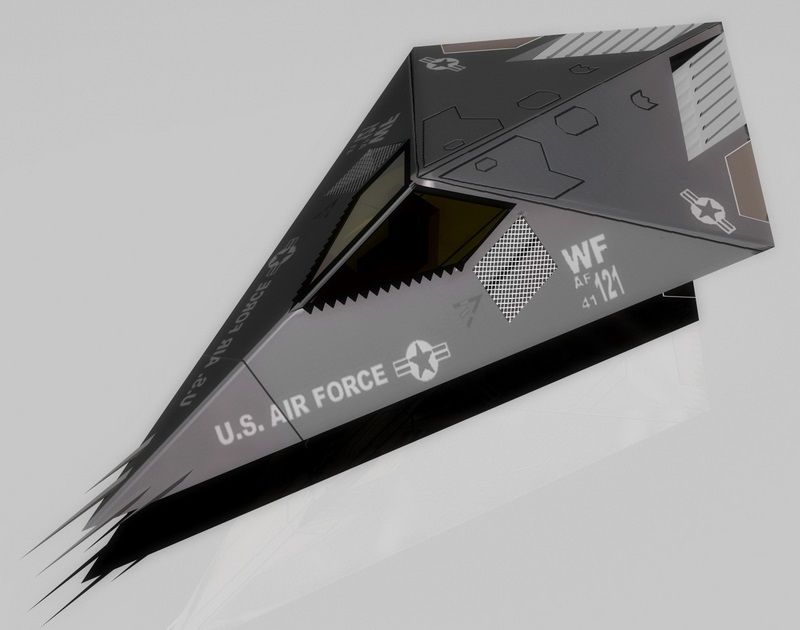
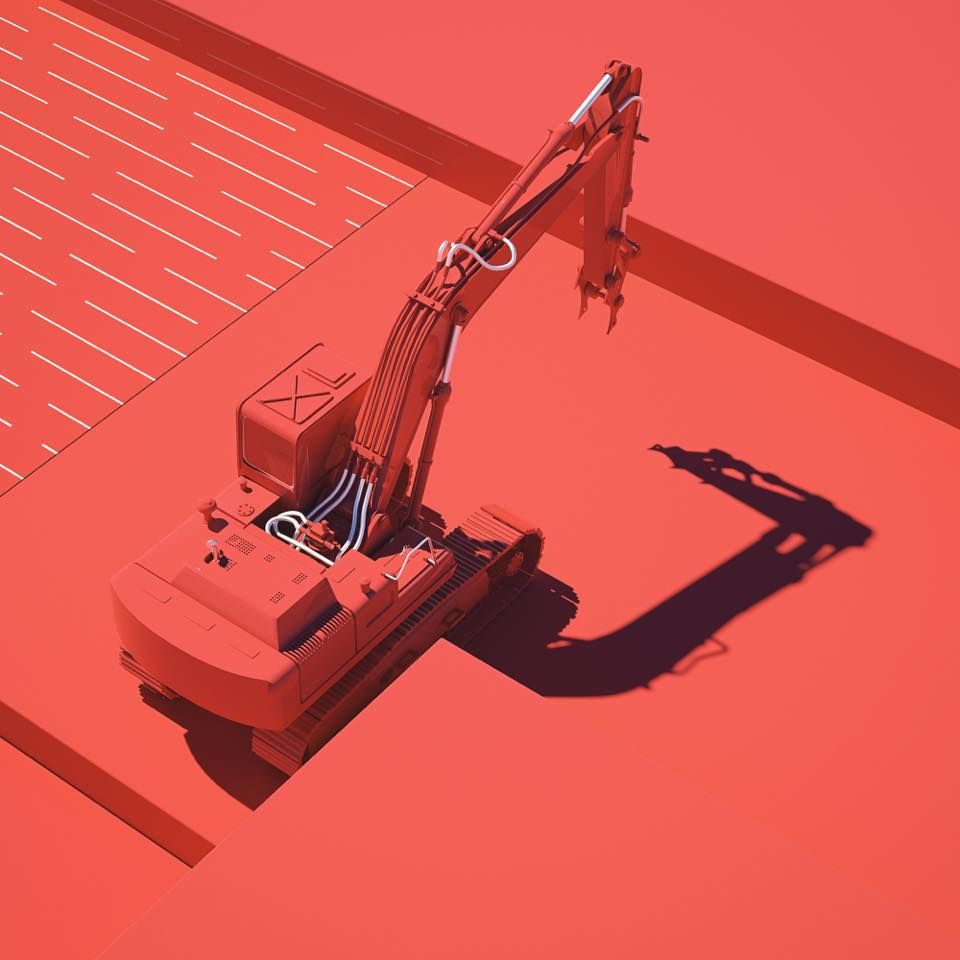
Standardization, precision engineering, and operational efficiency defined this era, giving birth to control panels, dashboards, and instrumentation —early interface systems designed to optimize human performance, safety, and reliability in high-risk environments.
1760 — 1870 — 1970 — ++++ — 2K26
Collaboration with developers
¶ — 1
¶ — 1
Energy grids, water infrastructure, automotive diagnostics, aerospace navigation, defense command centers, and global telecom networks became software-driven ecosystems. This transition transformed physical controls into digital interfaces — SCADA systems, avionics displays, vehicle infotainment, mission control dashboards, and network operation centers.
Iterative testing & QA
¶ — 2
¶ — 2
Here, UXU\ emerged as a mission-critical discipline, responsible for translating massive data streams into human-centered decision systems. The focus shifted from operating machines to designing intelligent experiences where clarity, cognition, speed, safety, and trust define performance in high-stakes industrial environments.


HC\
HC\
Industry 4.0
11
UXU\ that helps to decode any emerging Industrial model or potential derivatives.
2K11 — 2K26
Post-launch optimisation
¶ — 1
¶ — 1
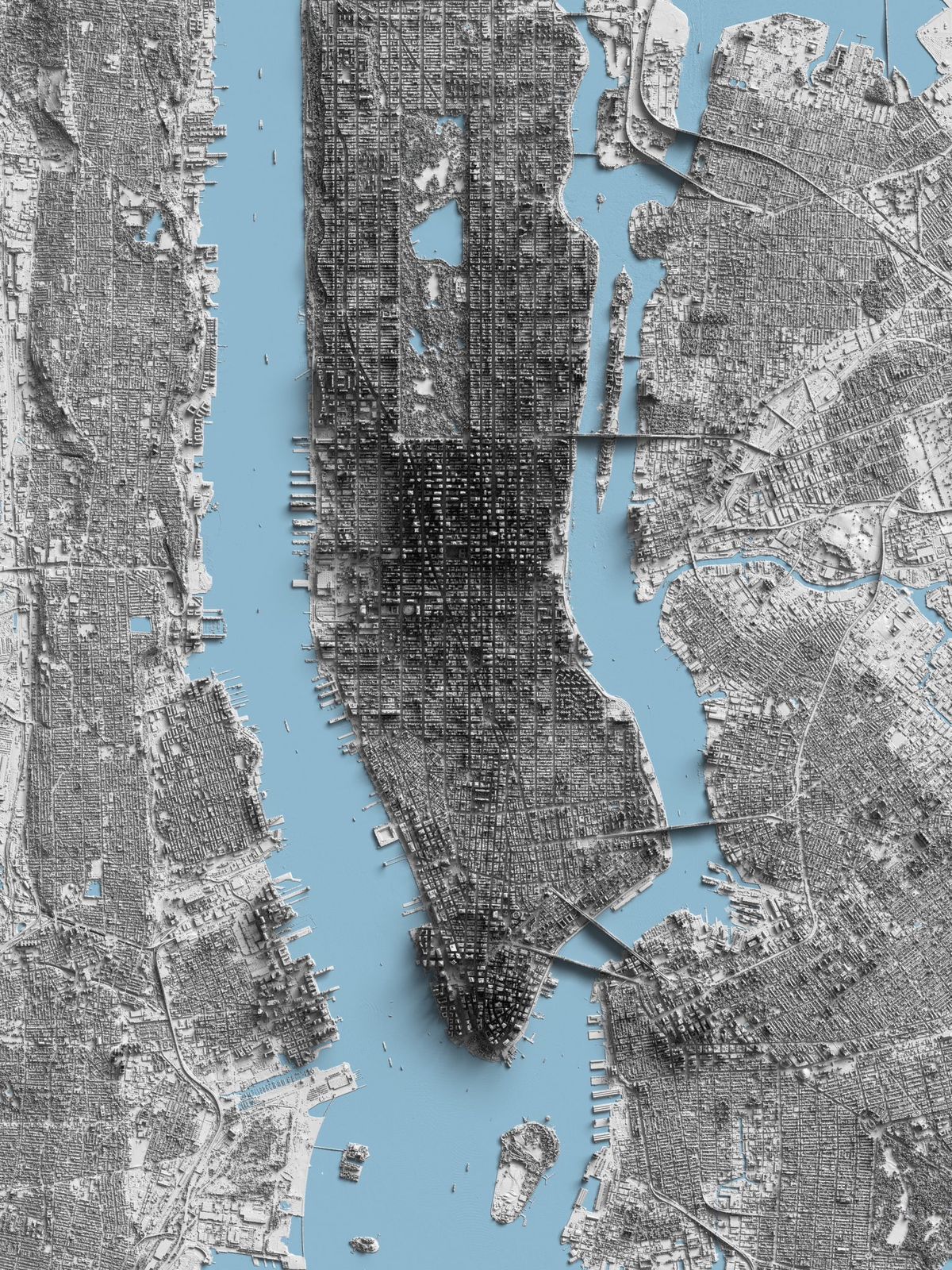
UXU\ can shape LASFA [Lasim Smart Factory], RAMI [Reference Architectural Model Industrie 4.0], SITAM [Stuttgart IT-Architecture for Manufacturing], IVRA [Industrial Value Chain Reference
Rollout & support
¶ — 2
¶ — 2
Architecture], IIoT [Industrial Internet of Things], IIRA [Industrial Internet Reference Architecture], IBM Industry 4.0 reference architecture, and Nvidia Aphamaio A\, all known as Industries 4.0.


HC\
HC\
HuFX
01
Human Factors [FX] — HuFX is to decode human intelligence itself: diversity, limitations, behaviors, and environments.
2K26
User & market research
¶ — 1
¶ — 1
The lens through which I do humanize technology, transforming it from a cold tool to a thoughtful, intuitive, logical, and responsive partner in daily life multi-dimensionally with Philosophy, Physiology, Psychology, Anthropology, Anthropometrics, Sociology, Ecology, and Economic Intelligence.
Defining the challenge
¶ — 2
¶ — 2
While Philosophy, envelops each of these factors to provide the why behind the what, how, and who do the interactions, the Economic Intelligence defines who can access technology, how often, on what device, with what constraints, and under what financial pressure.
HC\
HC\
\O
02
Concept refinement
¶ — 1
¶ — 1
Human input [e.g., touch, speech] and system output [e.g., visuals, haptics].
Direction alignment
¶ — 2
¶ — 2
It aims to engineer responsive, multimodal UIs that align w/ cognitive and sensory models.
HC\
HC\
ICT
03
Collaboration with developers
¶ — 1
¶ — 1
How Information and Communication Technologies [ICT] are used, developed, and impact society, often involving existing operating systems
¶ — 2
¶ — 2
and new frameworks like cloud computing, mobile tech and GenA\ Large Language/Multimodal Models [LLM/LMMs.]
HC\
HC\
R&D
04
Collaboration with developers
¶ — 1
¶ — 1
The role of UXU\ in HC\ is to translate overwhelming technical depth into functional,
Iterative testing & QA
¶ — 2
¶ — 2
intuitive, and even life-preserving research and design interactions.
HC\
HC\
Technologies
05
Collaboration with developers
¶ — 1
¶ — 1
Focuses on designing, implementing, and evaluating interactive interfaces
¶ — 2
¶ — 2
that enhance user experiences by using computing devices.
HC\
HC\
nanoTECH
06
Collaboration with developers
¶ — 1
¶ — 1
The science of manipulating matter at the atomic and molecular level [1-100 nanometers] to create new materials and devices with unique properties, enabling
Iterative testing & QA
¶ — 2
¶ — 2
applications from stronger electronics and better solar cells to targeted cancer drugs and advanced sensors, impacting health, energy, computing, robotics and more.
HC\
HC\
GenA\
07
A\ is not the experience. A\ is the intelligence that makes the experience alive — regardles the implemented GenA\ 3.0. Model.
2K26
Collaboration with developers
¶ — 1
¶ — 1
Today, A\ Interfaces disappear. We are no longer building static UX. In this way, A\ is not human but A\ observes human behavior and context in real time, then it adapts the experience surpasing the human brain speed itself.
Iterative testing & QA
¶ — 2
¶ — 2
A\ 3.0 is the adaptive system that observes, learns, predicts, and optimizes each human factor [HuFX] with their own corpus of highly super-trained data within the multi-dimensional GenA\ Large Multimodal Model [LMM] frameworks.
HC\
HC\
A\ Factors
08
Think of A\ Factors [FX] as the neural network of the Human Factors [HuFX] demanding UXU\ approach.
2K26
Collaboration with developers
¶ — 1
¶ — 1
While HC\ grounds the interaction in human-centered logic, UXU\ refines it through layout,
¶ — 2
¶ — 2
visuals, design elements/laws, user patterns and, atomic design libraries.
HC\
HC\
Atomic Design
09
How users perceive, interact with, and navigate while implementing Atomic Design Systems with scalable libraries.
2K26
Collaboration with developers
¶ — 1
¶ — 1
While HC\ grounds the interaction in human-centered logic, UXU\ refines it through layout, visuals, design elements/laws, user patterns and, even more importantly, with the design of Atomic Design Libraries for reusable & scalable components.
Iterative testing & QA
¶ — 2
¶ — 2
While accelating a more agile approach to the current on-demand solutions for product design world-wide while solving the documentation process and practical team challenges all at once.
HC\
HC\
Industry 3.0
10
Standardization, precision engineering, and operational efficiency defined this era, giving birth to control panels, dashboards, and instrumentation —early interface systems designed to optimize human performance, safety, and reliability in high-risk environments.
1760 — 1870 — 1970 — ++++ — 2K26
Collaboration with developers
¶ — 1
¶ — 1
Energy grids, water infrastructure, automotive diagnostics, aerospace navigation, defense command centers, and global telecom networks became software-driven ecosystems. This transition transformed physical controls into digital interfaces — SCADA systems, avionics displays, vehicle infotainment, mission control dashboards, and network operation centers.
Iterative testing & QA
¶ — 2
¶ — 2
Here, UXU\ emerged as a mission-critical discipline, responsible for translating massive data streams into human-centered decision systems. The focus shifted from operating machines to designing intelligent experiences where clarity, cognition, speed, safety, and trust define performance in high-stakes industrial environments.
HC\
HC\
Industry 4.0
11
UXU\ that helps to decode any emerging Industrial model or potential derivatives.
2K11 — 2K26
Post-launch optimisation
¶ — 1
¶ — 1
UXU\ can shape LASFA [Lasim Smart Factory], RAMI [Reference Architectural Model Industrie 4.0], SITAM [Stuttgart IT-Architecture for Manufacturing], IVRA [Industrial Value Chain Reference
Rollout & support
¶ — 2
¶ — 2
Architecture], IIoT [Industrial Internet of Things], IIRA [Industrial Internet Reference Architecture], IBM Industry 4.0 reference architecture, and Nvidia Aphamaio A\, all known as Industries 4.0.
HC\
HC\
HuFX
01
Human Factors [FX] — HuFX is to decode human intelligence itself: diversity, limitations, behaviors, and environments.
2K26
User & market research
¶ — 1
¶ — 1
The lens through which I do humanize technology, transforming it from a cold tool to a thoughtful, intuitive, logical, and responsive partner in daily life multi-dimensionally with Philosophy, Physiology, Psychology, Anthropology, Anthropometrics, Sociology, Ecology, and Economic Intelligence.
Defining the challenge
¶ — 2
¶ — 2
While Philosophy, envelops each of these factors to provide the why behind the what, how, and who do the interactions, the Economic Intelligence defines who can access technology, how often, on what device, with what constraints, and under what financial pressure.
HC\
HC\
\O
02
Concept refinement
¶ — 1
¶ — 1
Human input [e.g., touch, speech] and system output [e.g., visuals, haptics].
Direction alignment
¶ — 2
¶ — 2
It aims to engineer responsive, multimodal UIs that align w/ cognitive and sensory models.
HC\
HC\
ICT
03
Collaboration with developers
¶ — 1
¶ — 1
How Information and Communication Technologies [ICT] are used, developed, and impact society, often involving existing operating systems
¶ — 2
¶ — 2
and new frameworks like cloud computing, mobile tech and GenA\ Large Language/Multimodal Models [LLM/LMMs.]
HC\
HC\
R&D
04
Collaboration with developers
¶ — 1
¶ — 1
The role of UXU\ in HC\ is to translate overwhelming technical depth into functional,
Iterative testing & QA
¶ — 2
¶ — 2
intuitive, and even life-preserving research and design interactions.
HC\
HC\
Tek
05
Collaboration with developers
¶ — 1
¶ — 1
Focuses on designing, implementing, and evaluating interactive interfaces
¶ — 2
¶ — 2
that enhance user experiences by using computing devices.
HC\
HC\
Nano
06
Collaboration with developers
¶ — 1
¶ — 1
The science of manipulating matter at the atomic and molecular level [1-100 nanometers] to create new materials and devices with unique properties, enabling
Iterative testing & QA
¶ — 2
¶ — 2
applications from stronger electronics and better solar cells to targeted cancer drugs and advanced sensors, impacting health, energy, computing, robotics and more.
HC\
HC\
GenA\
07
A\ is not the experience. A\ is the intelligence that makes the experience alive — regardles the implemented GenA\ 3.0. Model.
2K26
Collaboration with developers
¶ — 1
¶ — 1
Today, A\ Interfaces disappear. We are no longer building static UX. In this way, A\ is not human but A\ observes human behavior and context in real time, then it adapts the experience surpasing the human brain speed itself.
Iterative testing & QA
¶ — 2
¶ — 2
A\ 3.0 is the adaptive system that observes, learns, predicts, and optimizes each human factor [HuFX] with their own corpus of highly super-trained data within the multi-dimensional GenA\ Large Multimodal Model [LMM] frameworks.
HC\
HC\
A\ FX
08
Think of A\ Factors [FX] as the neural network of the Human Factors [HuFX] demanding UXU\ approach.
2K26
Collaboration with developers
¶ — 1
¶ — 1
While HC\ grounds the interaction in human-centered logic, UXU\ refines it through layout,
¶ — 2
¶ — 2
visuals, design elements/laws, user patterns and, atomic design libraries.
HC\
HC\
ADS
09
How users perceive, interact with, and navigate while implementing Atomic Design Systems with scalable libraries.
2K26
Collaboration with developers
¶ — 1
¶ — 1
While HC\ grounds the interaction in human-centered logic, UXU\ refines it through layout, visuals, design elements/laws, user patterns and, even more importantly, with the design of Atomic Design Libraries for reusable & scalable components.
Iterative testing & QA
¶ — 2
¶ — 2
While accelating a more agile approach to the current on-demand solutions for product design world-wide while solving the documentation process and practical team challenges all at once.
HC\
HC\
i3.0
10
Standardization, precision engineering, and operational efficiency defined this era, giving birth to control panels, dashboards, and instrumentation —early interface systems designed to optimize human performance, safety, and reliability in high-risk environments.
1760 — 1870 — 1970 — ++++ — 2K26
Collaboration with developers
¶ — 1
¶ — 1
Energy grids, water infrastructure, automotive diagnostics, aerospace navigation, defense command centers, and global telecom networks became software-driven ecosystems. This transition transformed physical controls into digital interfaces — SCADA systems, avionics displays, vehicle infotainment, mission control dashboards, and network operation centers.
Iterative testing & QA
¶ — 2
¶ — 2
Here, UXU\ emerged as a mission-critical discipline, responsible for translating massive data streams into human-centered decision systems. The focus shifted from operating machines to designing intelligent experiences where clarity, cognition, speed, safety, and trust define performance in high-stakes industrial environments.
HC\
HC\
i4.0
11
UXU\ that helps to decode any emerging Industrial model or potential derivatives.
2K11 — 2K26
Post-launch optimisation
¶ — 1
¶ — 1
UXU\ can shape LASFA [Lasim Smart Factory], RAMI [Reference Architectural Model Industrie 4.0], SITAM [Stuttgart IT-Architecture for Manufacturing], IVRA [Industrial Value Chain Reference
Rollout & support
¶ — 2
¶ — 2
Architecture], IIoT [Industrial Internet of Things], IIRA [Industrial Internet Reference Architecture], IBM Industry 4.0 reference architecture, and Nvidia Aphamaio A\, all known as Industries 4.0.
0—4
In hyper-specialized industries, UXU\ A\X becomes the nervous system of HC\
— translating complexity into clarity, precision, and trust.
It’s not just about how things look, but how life-critical and intelligence-amplifying systems interact with their human operators & digital content embedded in any product designed.
Innovations
demanding
exceptional
UX/UI/AIX
design & Dev
with UCD
Approach.
HCI by Technologies
HCI by
Technologies
Focuses on designing, implementing, and evaluating interactive interfaces that enhance user experiences by using computing devices.
Focuses on designing, implementing, and evaluating interactive interfaces that enhance user experience using
computing devices.
↓ SCROLL ↓
HDR
Thermal
GenA\
HDR
Thermal
GenA\
















.
1
3

HC\ Framework uXU\ a\X UXU\ A\x Human computer interactions [human factors to think]





.
1
3
