

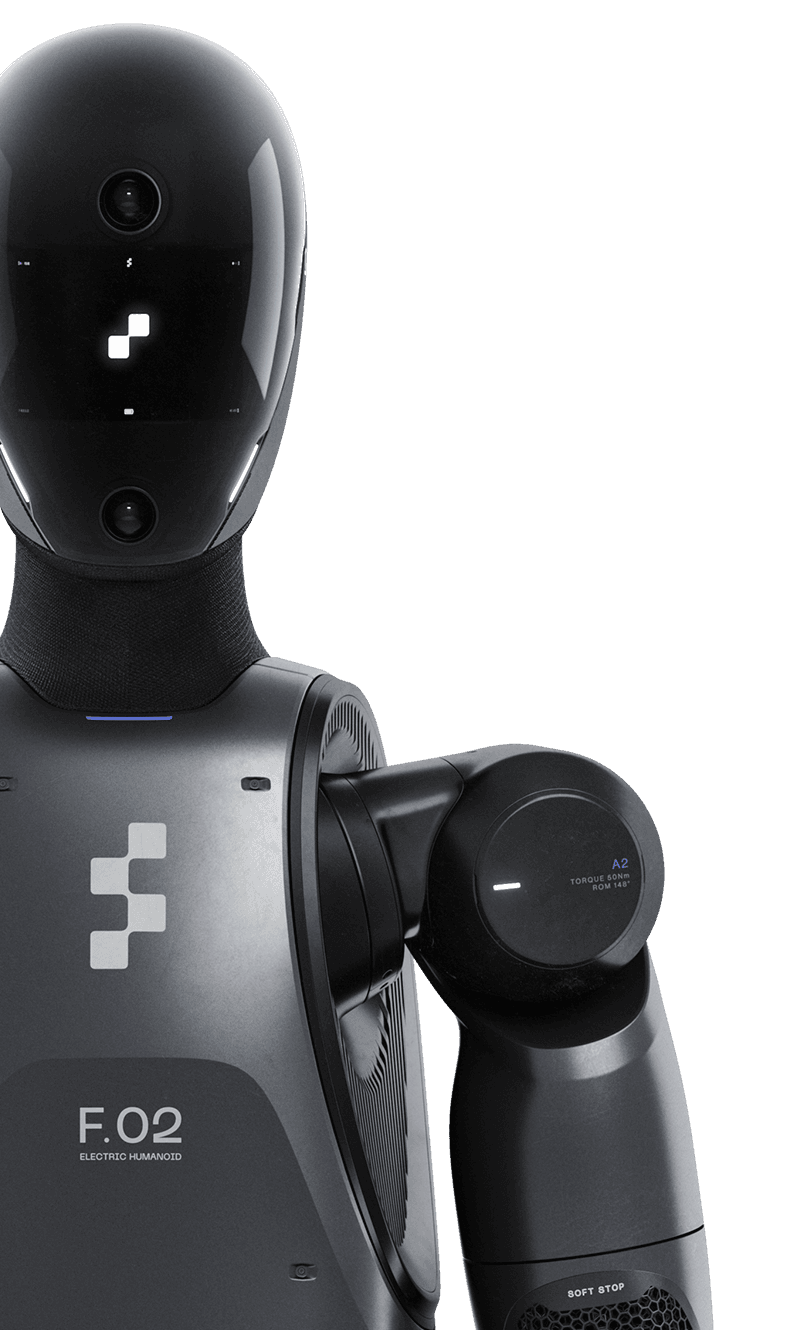



How Does HC\ Shape UX?
HC\ research influences interface design, interaction models, and accessibility. By studying cognitive load, user behavior, and feedback mechanisms, designers can refine interactions, reduce friction, and create seamless digital experiences that feel natural and intuitive.
Why Is User Research at Its Core?
Effective UXU\ design relies on data-driven insights. HC\ emphasizes usability testing, A/B testing, and behavioral analysis to understand how users think and behave, allowing designers to make informed decisions that improve user satisfaction and efficiency.
How Does It Improve Accessibility?
A key goal of HC\ is inclusive design. By considering diverse user needs, including those with disabilities, designers apply contrast adjustments, keyboard navigation, voice controls, and adaptable layouts to create experiences that work for everyone.
Why Is Cognitive Load Important?
Users process information differently, and HC\ helps optimize UI by reducing complexity, improving navigation, and enhancing content readability. Keeping cognitive load minimal ensures users stay focused, complete tasks faster, and feel more satisfied with the interface.
How Does It Evolve with Technology?
As technology advances, so does HC\. The rise of A\, AR, VR, and multi-modal interfaces is reshaping interaction patterns. Designers leveraging HC\ principles can create future-proof, adaptive experiences that integrate seamlessly into emerging technologies.
Why Should UXU\ Designers Master HC\s?
Mastering HC\ principles empowers designers to craft meaningful, user-centric experiences. By understanding human behavior, interaction patterns, and technological constraints, UXU\ professionals can drive innovation, increase adoption, and deliver truly impactful designs.
Why HC\s Matter in UXU\ A\X?
• Enhances User Experience – HC\ principles ensure intuitive, user-friendly interfaces, reducing frustration and improving satisfaction.
• Boosts Accessibility & Inclusive Design – By considering diverse user needs, HC\ creates designs that accommodate different abilities, devices, and environments.
• Optimizes Efficiency & Productivity – Well-designed HC\ improves task completion speed, accuracy, and ease of use, benefiting both users and businesses.
• Adapts to Emerging Technologies – HC\ evolves with A\, VR, voice interfaces, and other innovations, ensuring seamless integration of new tech.
• Reduces Errors & Cognitive Load – Thoughtful HC\ minimizes confusion, unnecessary steps, and learning curves, leading to smoother digital interactions.
Gerard at UXU\ A\X 360 Lab | FoF+F\G.